Palm Leaf Weaving Explore
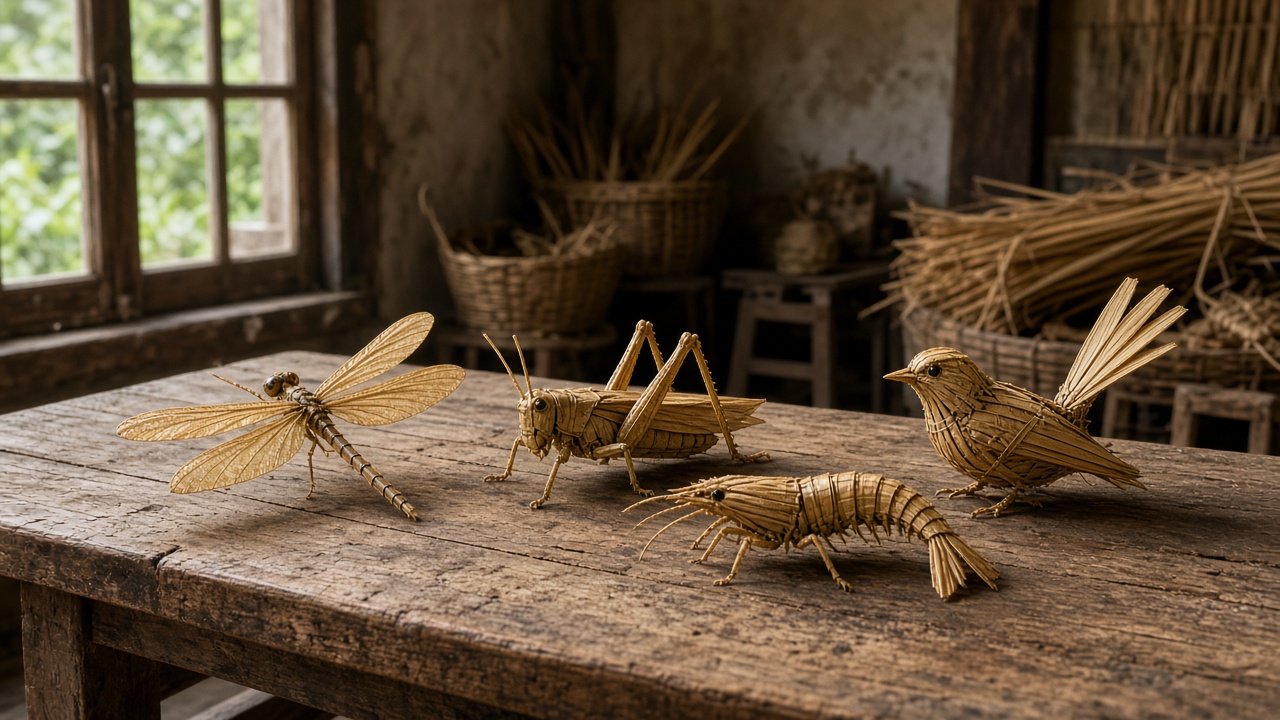
Changsha palm leaf woven crafts on a wooden table

Hunan Provincial Intangible Cultural Heritage

Changsha
Palm Leaf Weaving

长沙棕叶编

One palm frond, countless living forms — a southern folk art that turns cured leaves into dragonflies, grasshoppers, and peacocks.

Scroll
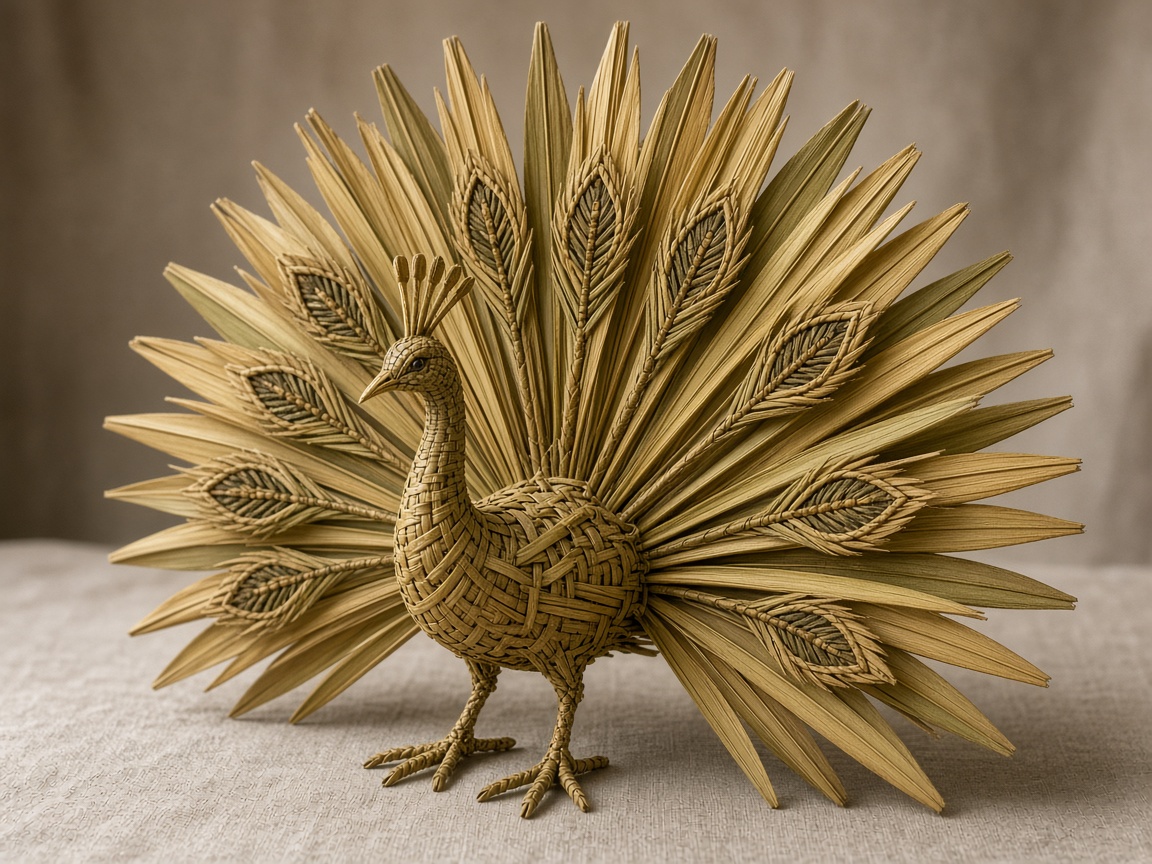
Palm leaf woven peacock

Culture Introduction

A leaf that carries Changsha’s memory

Changsha Palm Leaf Weaving (Changsha Zongye Bian) is a traditional folk craft of Hunan that uses the flexible leaves of southern palm trees. Around Changsha County’s Gaoqiao and Jinjing, and Wangcheng’s Chating, hillsides have long grown palms whose toughness and pliability suit fine weaving.

Fresh leaves wilt within days. Local masters fold, boil, sun-dry, and cure the fronds so works keep their shape for more than a decade. Alongside Xiang embroidery and chrysanthemum-stone carving, the craft is praised as one of the “Three Wonders of Changsha.” In May 2012 it entered the third batch of Hunan’s provincial intangible cultural heritage list.

Motifs favor the small and watchful — insects of the field, birds of omen, goldfish, shrimp, and layered roses — each finished with bean “eyes” that seem to glance back.

Provincial ICH Listed in 2012
Regional Roots Changsha · Hunan
Living Craft Pure Leaf School

Origin & Development

From street toy to provincial treasure

Everyday palm weaving is ancient in China — rain capes and mats appear in early poetry — but the artistic branch that became Changsha Palm Leaf Weaving grew in places where palms thrived. By the late Qing and early Republic, farmers around Changsha could weave simple insects by hand; giving such toys to children became a local fashion.

Through the 1930s and 1940s, sellers walked festival streets with bamboo poles of trembling grasshoppers and dragonflies — green-gold, lively, and gone soft within days. Master Yi Zhengwen changed the craft’s destiny. He watched insects in the grass, refined proportions, and taught a curing method: fold, boil until yellow, then sun and night-air dry. Works that once lasted two or three days could hold form for more than ten years.

In 1972, Wang Wending joined the Changsha Xiang Embroidery Factory’s new palm-weaving workshop. The craft entered organized production and export. Later she developed the double-belly method, micro-weaving with hair-fine filaments, and a teaching practice that reached villages, campuses, and heritage halls. Her lineage continues through makers such as Wang Zhongping.

In May 2012, Hunan listed Changsha Palm Leaf Weaving among its third batch of provincial intangible cultural heritage — a formal pledge to keep the leaf alive in new hands.

Key Moments

Heritage Timeline

  1. Late Qing – 1910s

    Folk beginnings

    Palm-rich hills near Changsha; simple woven insects as children’s gifts and festival stalls.

  2. 1930s

    Yi Zhengwen

    Observational study of insects; curing method that makes pieces collectible and lasting.

  3. 1972

    Factory workshop

    Wang Wending and colleagues bring palm weaving into Xiang embroidery factory production.

  4. 1980s–90s

    Double-belly & micro-weave

    Fuller animal volumes, hair-fine palm silk works, and stronger sculptural presence.

  5. 2012 – today

    Provincial ICH

    Official listing; campus clubs, heritage halls, and new cultural products keep teaching alive.

Traditional Craft

Making Process

From hillside frond to collectible sculpture — five essential stages of Changsha palm leaf weaving.

  1. 01

    Harvest

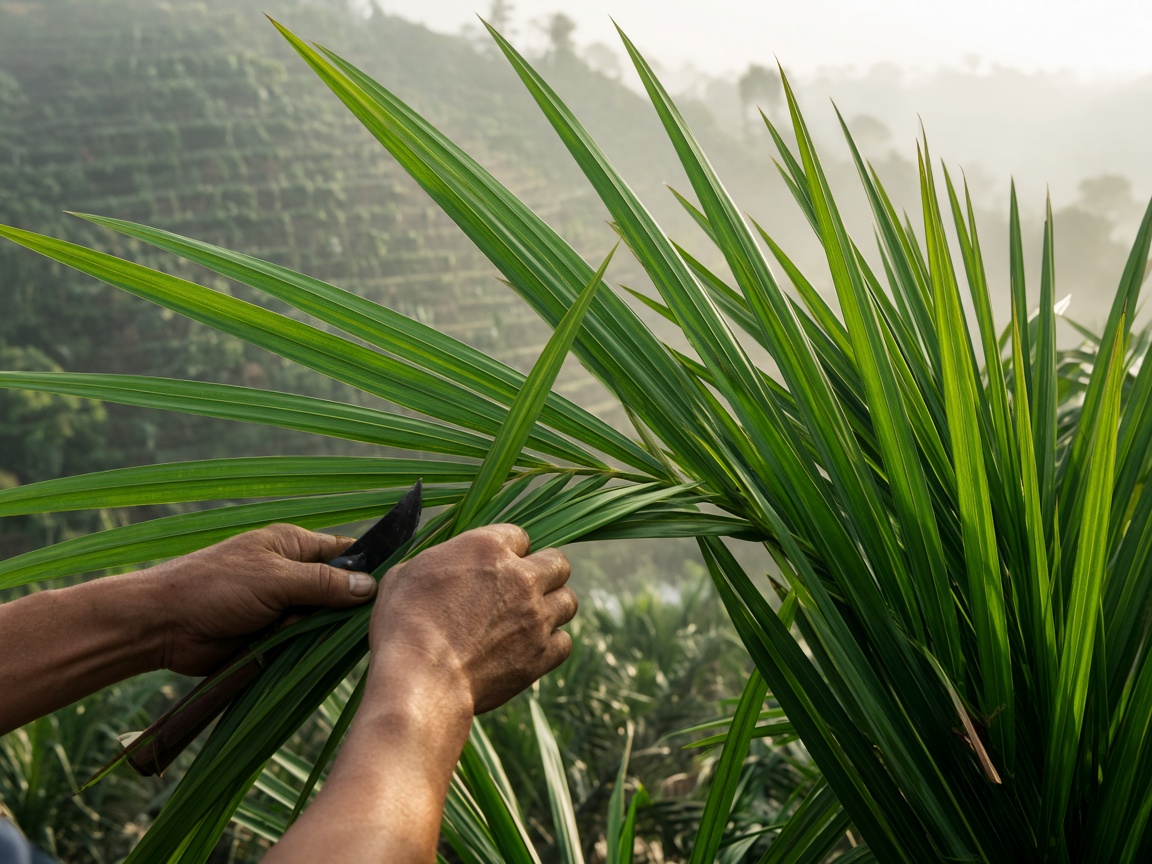
    Select mature palm leaves with even veins and good flexibility from southern hillsides.

  2. 02

    Fold & Boil

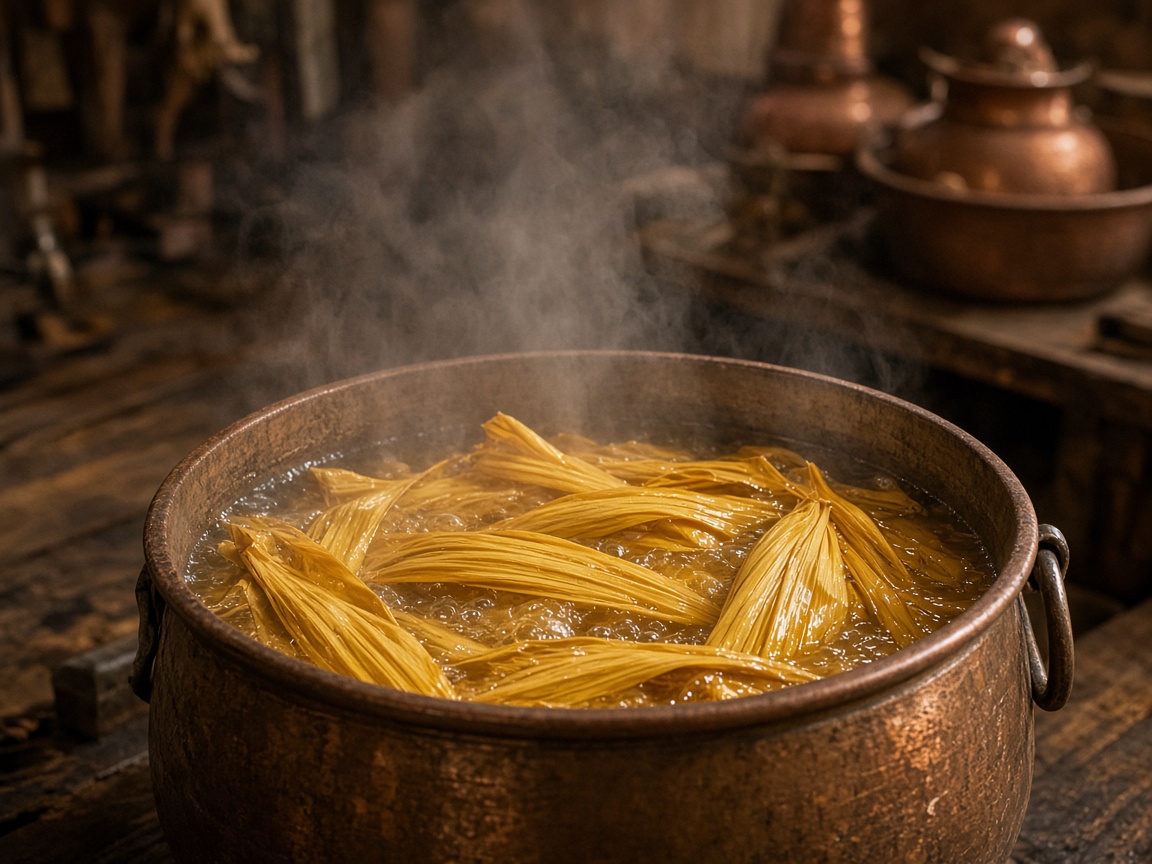
    Fold along natural veins, bind tight, and simmer until the green turns ripe gold.

  3. 03

    Sun & Cure

    Day sun and night air bleach the leaf white-gold so it will not warp for years.

  4. 04

    Tear & Weave

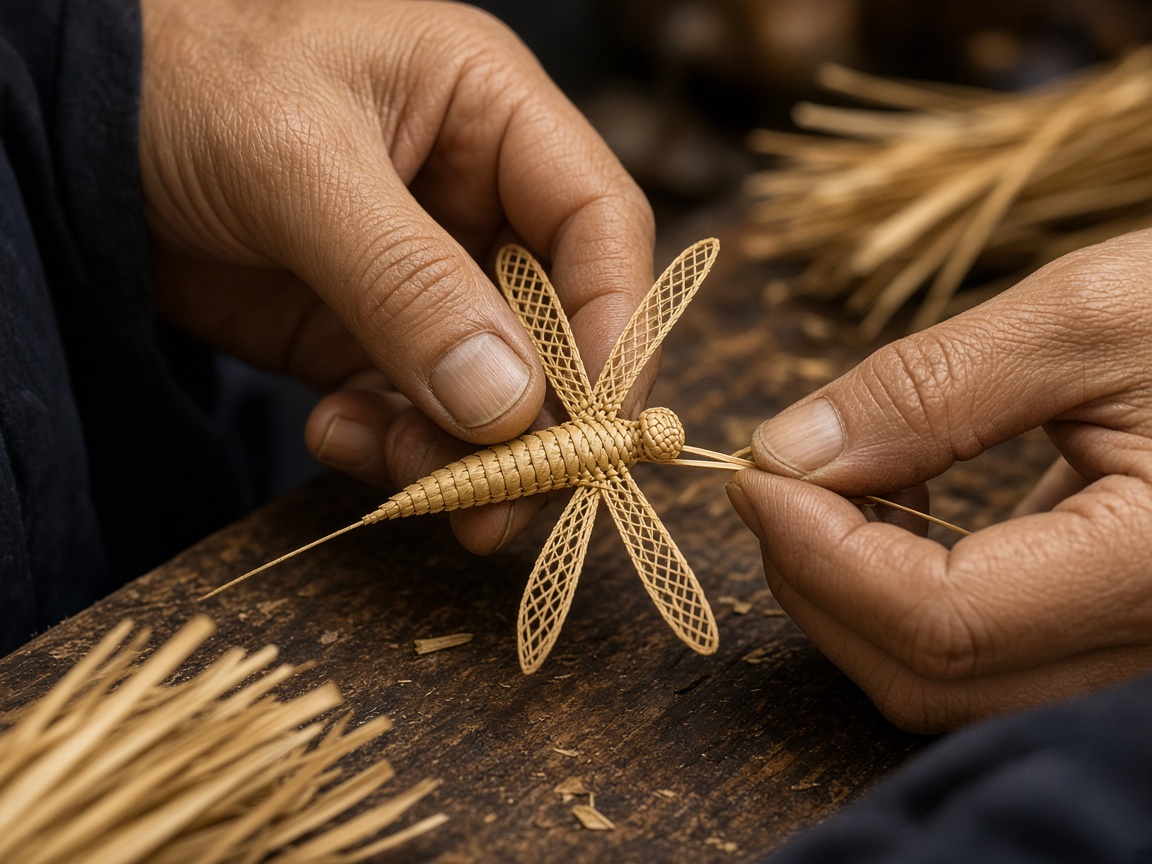
    Tear strips, then pull, wind, thread, and bind — single- or double-belly forms take shape.

  5. 05

    Dot the Eyes

    Wire may brace limbs; red beans or shells become eyes — the final spark of life.

Palm leaves boiling in a traditional pot

Material

Why curing matters

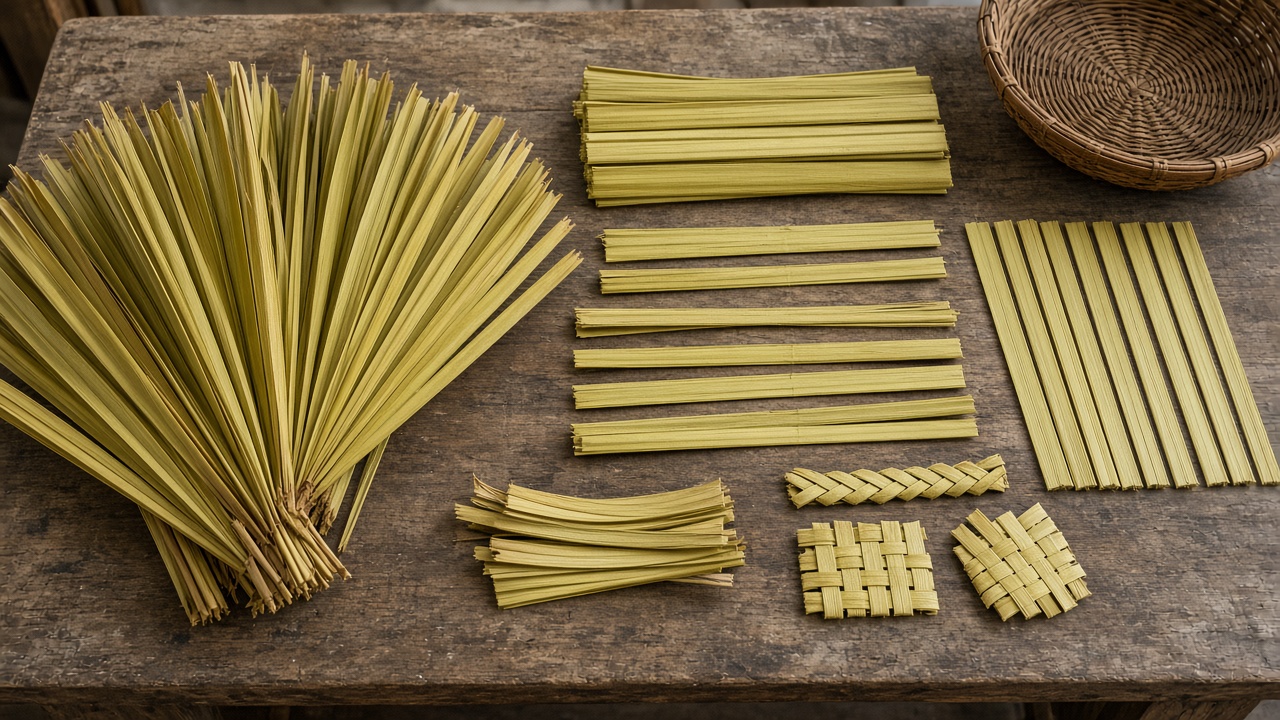
Untreated green leaves fade and warp within days. Changsha makers fold leaves by vein, bind them, boil until the color shifts from green to yellow, then dry under sun and night air until pale gold. The result resists mold and deformation — ready for fine weaving.

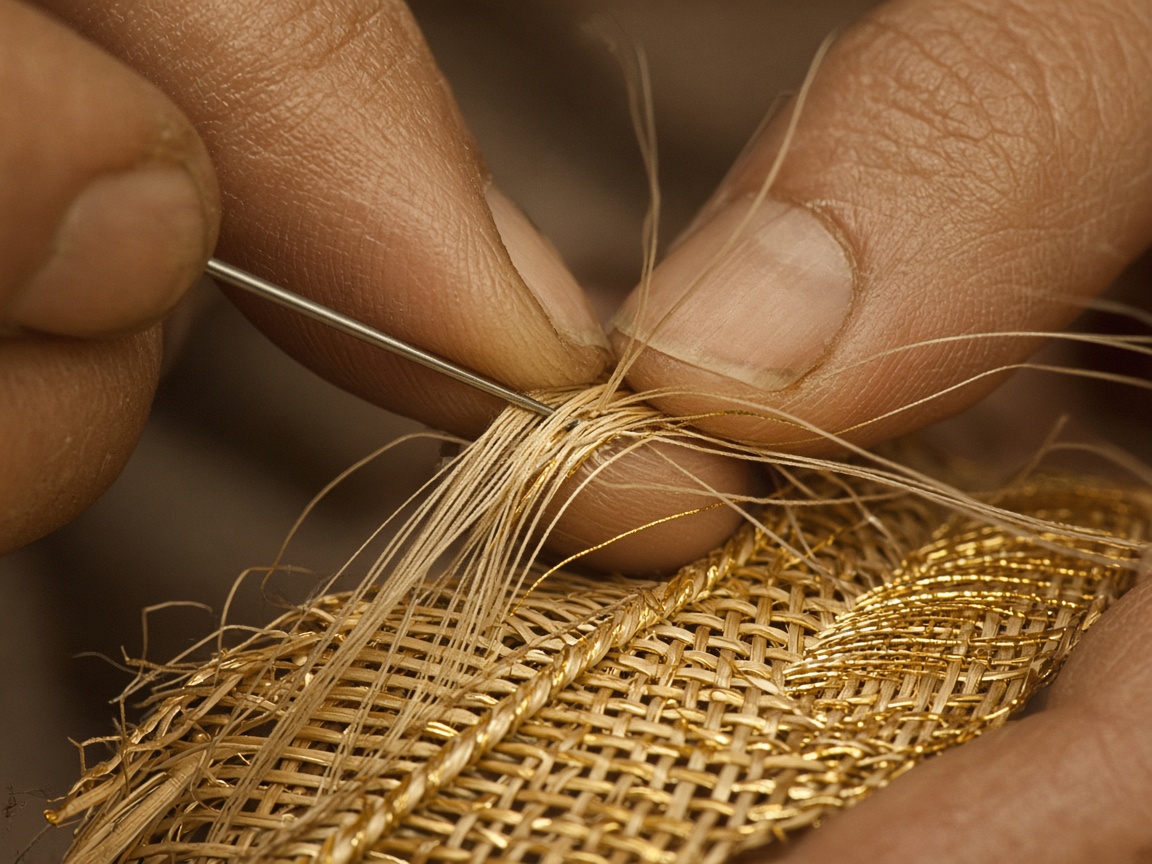
Artisan micro-weaving with fine palm filaments

Schools

Pure Leaf & Full Palm

The Pure Leaf school works only with the blade of the leaf — seeking clarity of silhouette. The Full Palm school may use more parts of the tree. Wang Wending’s line is Pure Leaf: single-belly forms, double-belly volume, and micro-weaving smaller than a fingernail.

Step by Step

Detailed Making Process

A closer look at the gestures behind each finished creature.

01

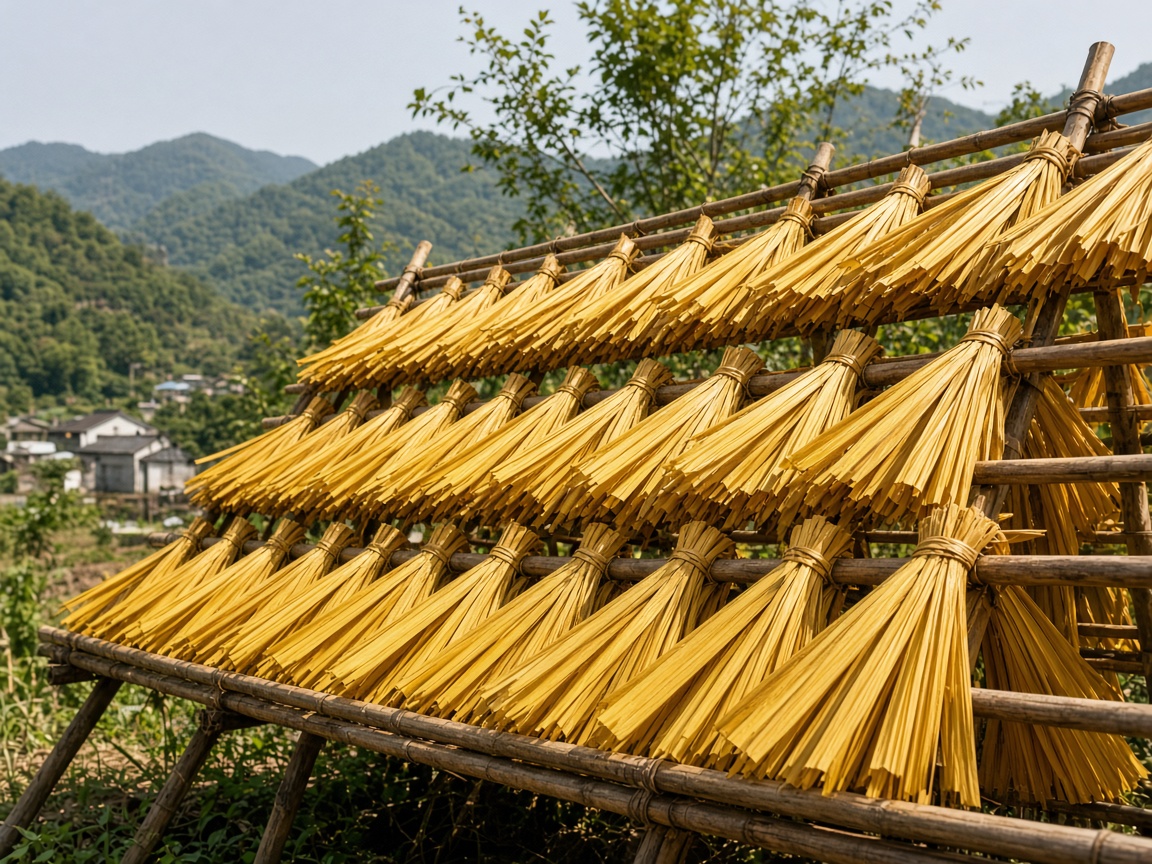
Sun-dry & night-cure

After boiling, bundles rest on racks — daylight bleaches, night air sets moisture free until the leaf is dry through.

Palm leaves sun-drying on bamboo racks
02

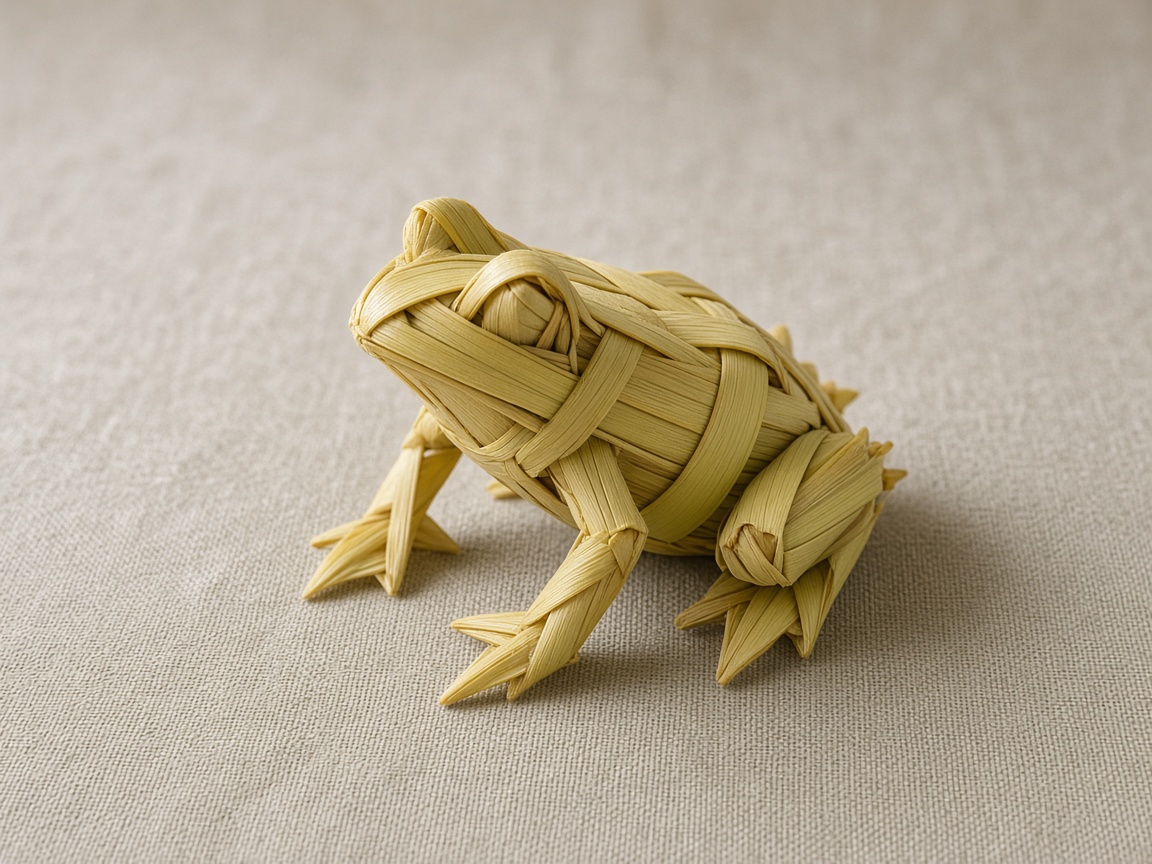
Shape the insect

Tear, pull, wind, and bind. A frog or grasshopper grows from interlocking strips and careful belly volume.

Palm leaf woven frog
03

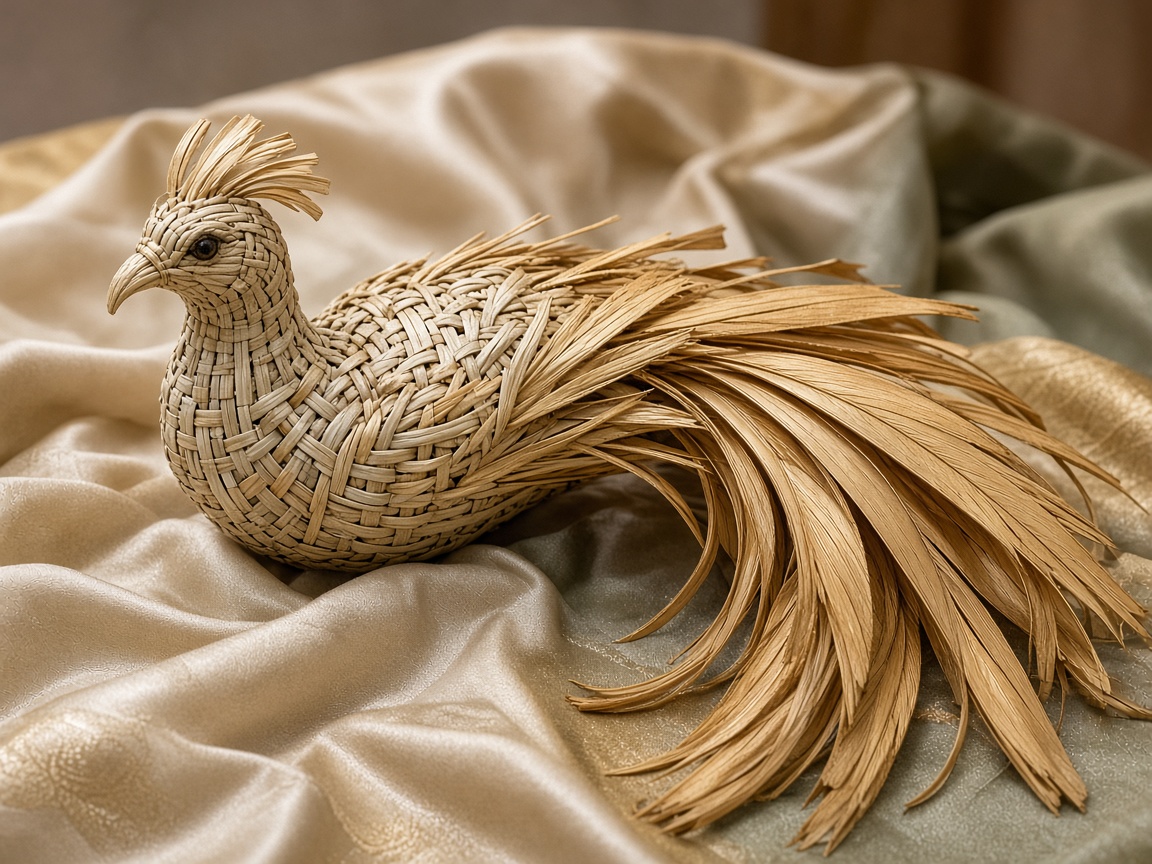
Build auspicious birds

Phoenix and crane demand layered tails and necks — patience measured in dozens of leaf strips.

Palm leaf woven phoenix
04

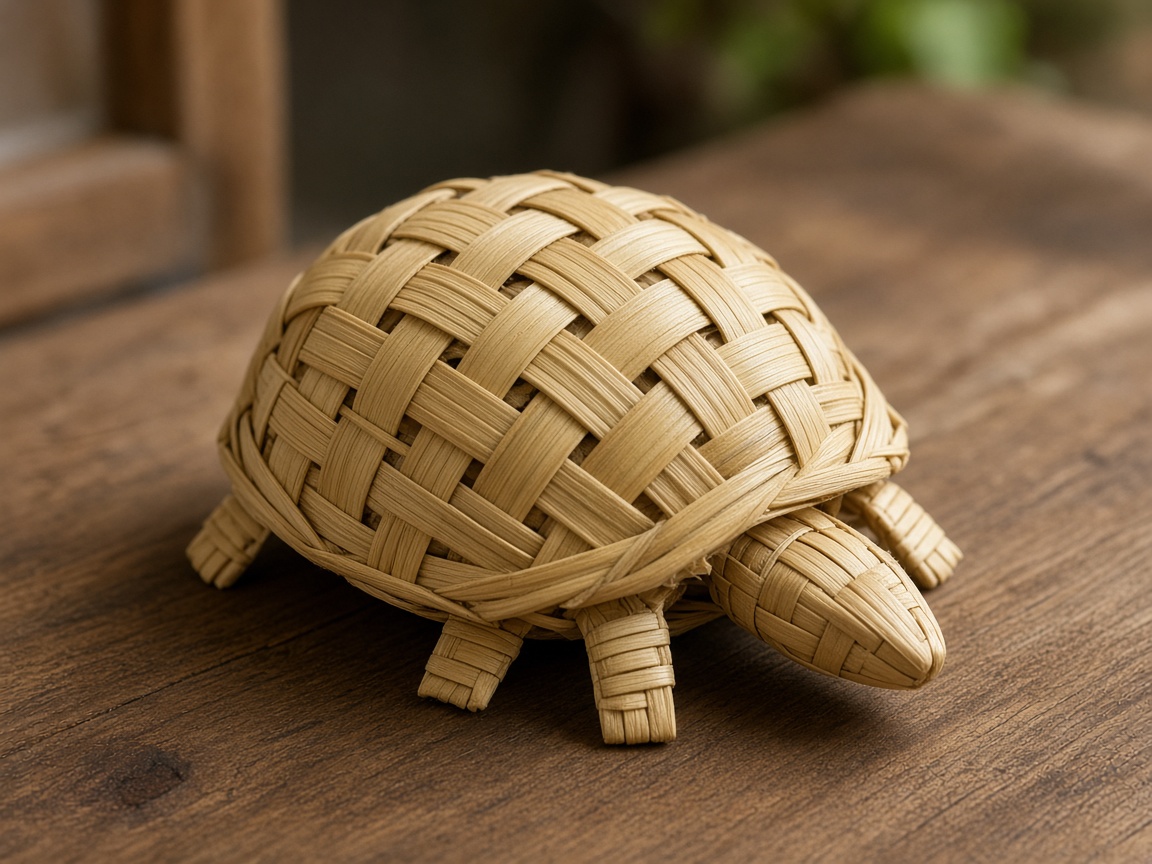
Shell & scale patterns

Turtles and similar forms show how geometric weaving can suggest armor without paint or dye.

Palm leaf woven turtle
05

Point the spirit

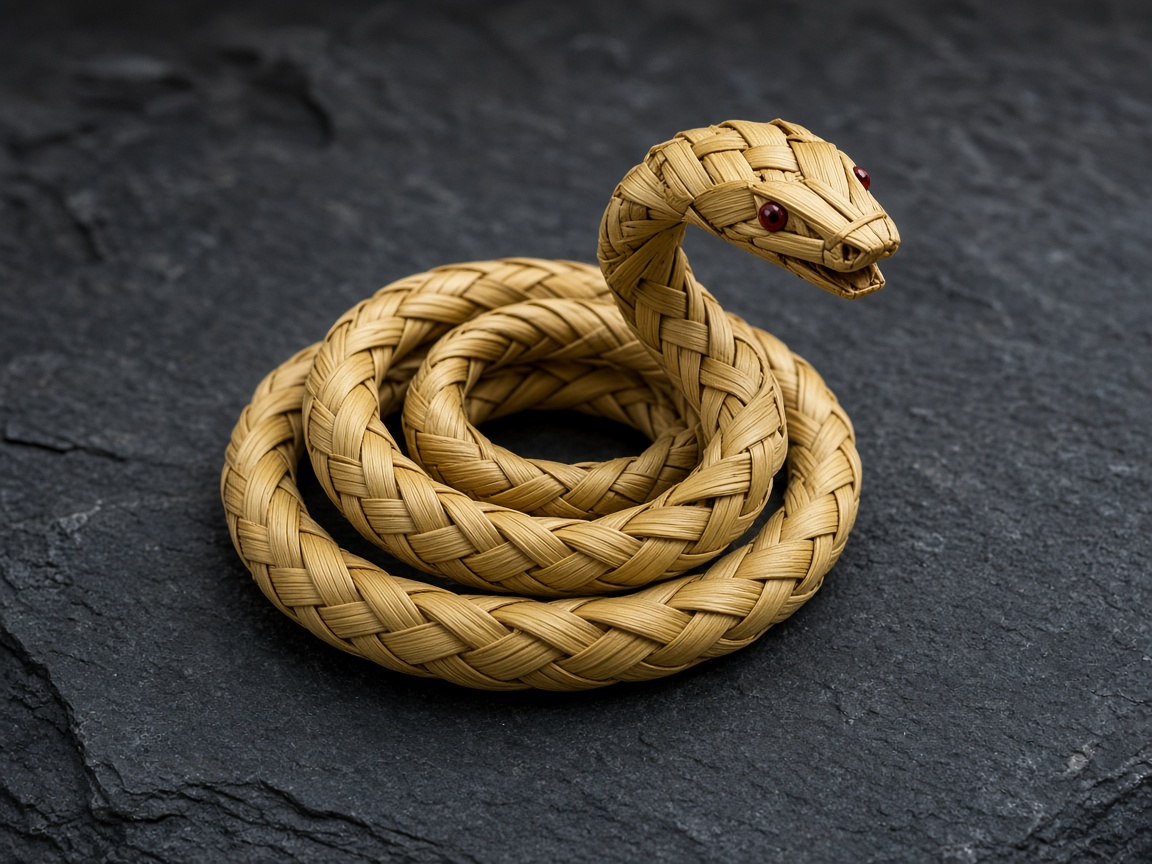
Abrus seeds or bean shells become eyes. A coiled snake finally seems ready to slip through grass.

Palm leaf woven snake

Living Hands

Craft passed from workshop to classroom

Street sellers once pinned trembling creatures to bamboo poles at festivals. Factory workshops later refined volume and export forms. Today heirs such as Wang Zhongping carry Pure Leaf practice into campuses, heritage halls, and small cultural products — so the cured leaf meets daily life again.

See Living Heritage
Artisan hands weaving palm leaf strips

Gallery

Works Showcase

Signature forms of the Pure Leaf school — insects, birds, and blooms in cured gold.

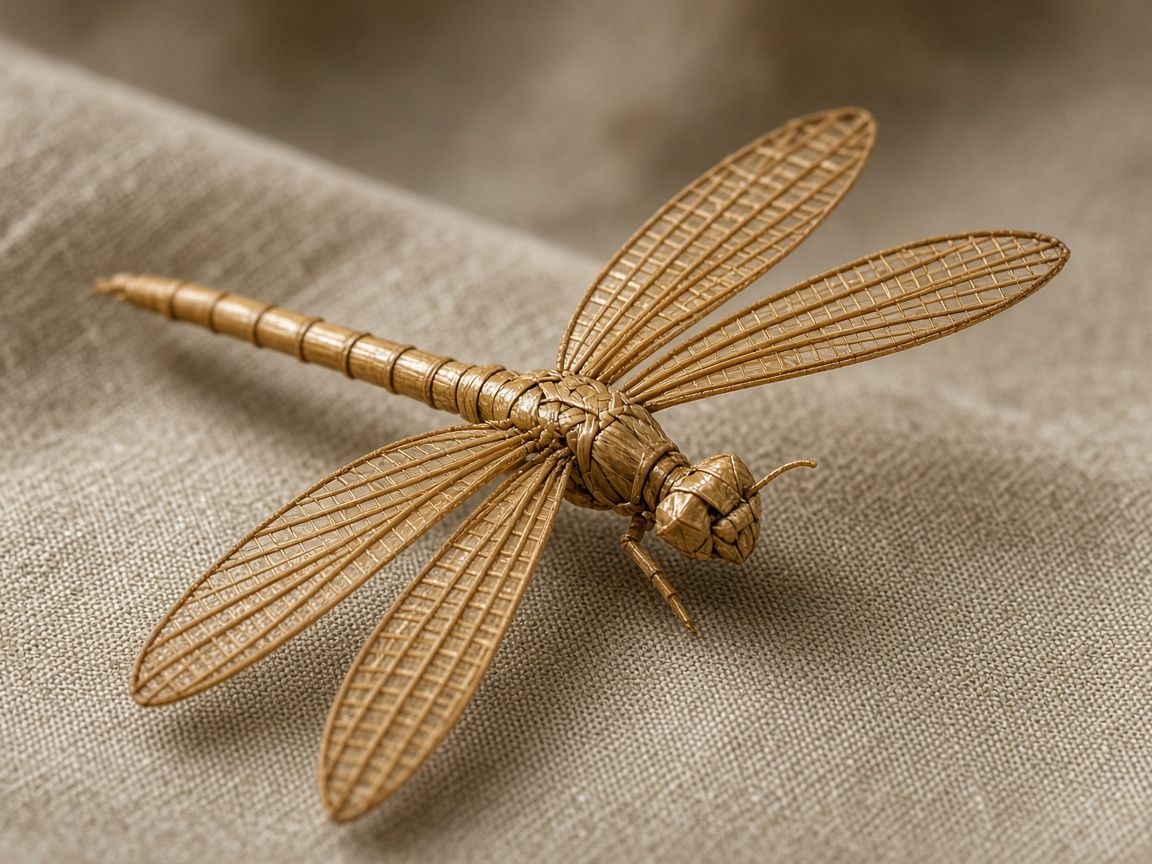
Palm leaf dragonfly

Dragonfly

Light wings and a slender body — a classic Pure Leaf subject.

More Motifs
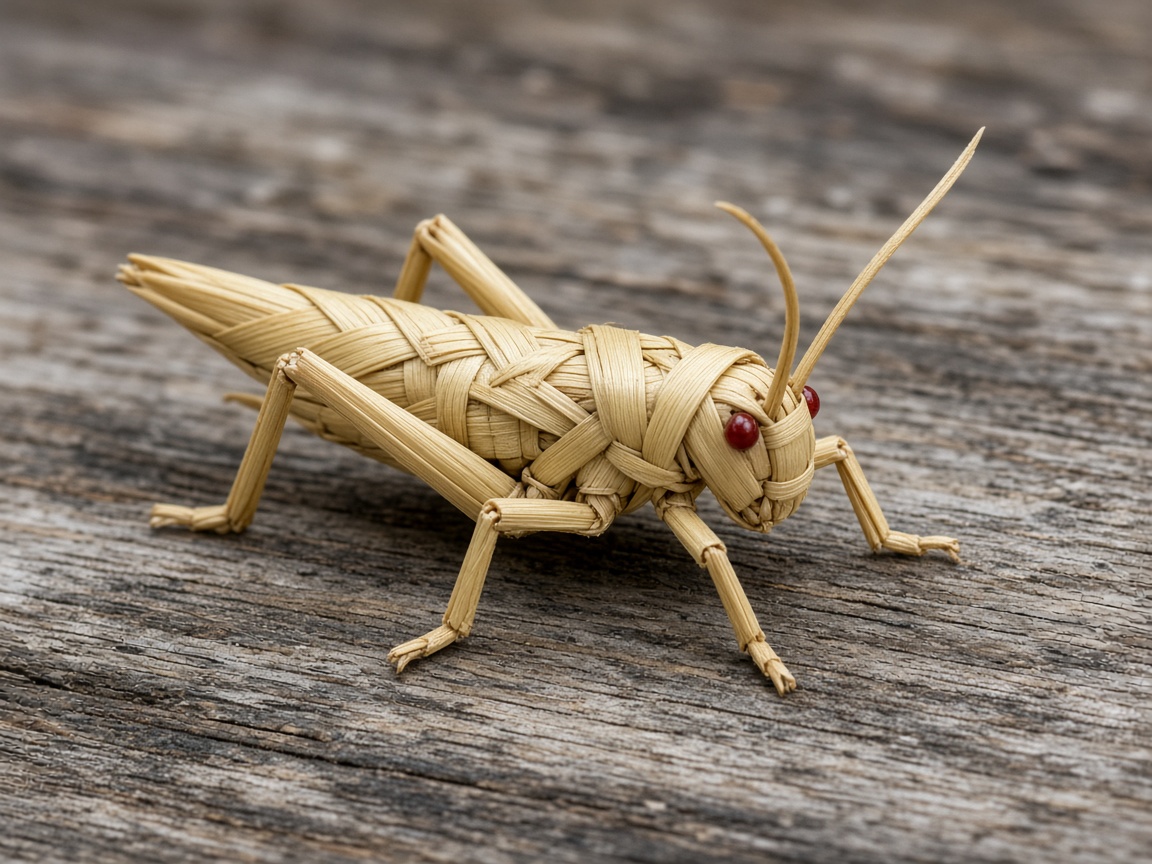
Palm leaf grasshopper

Grasshopper

Often made from a single long leaf using single-belly weave.

More Motifs
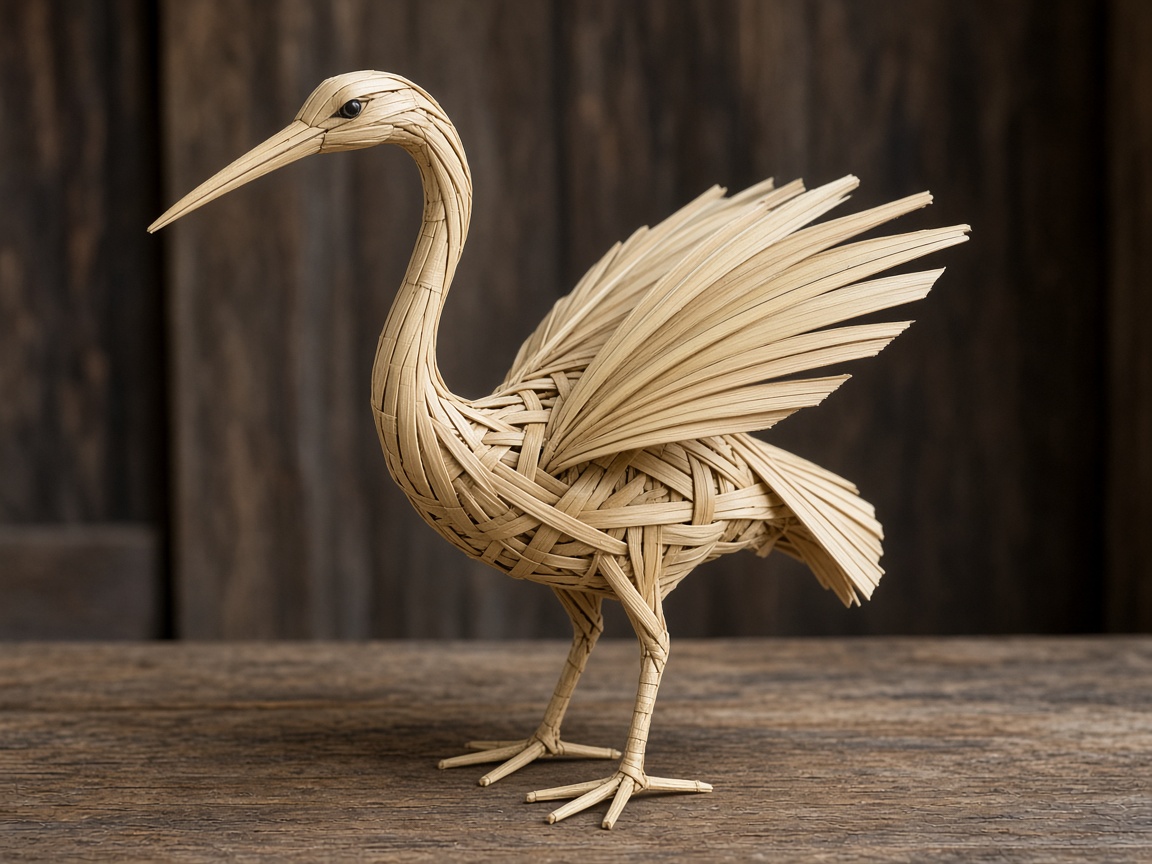
Palm leaf crane

Crane

Graceful neck and wing — a favored auspicious bird motif.

More Motifs
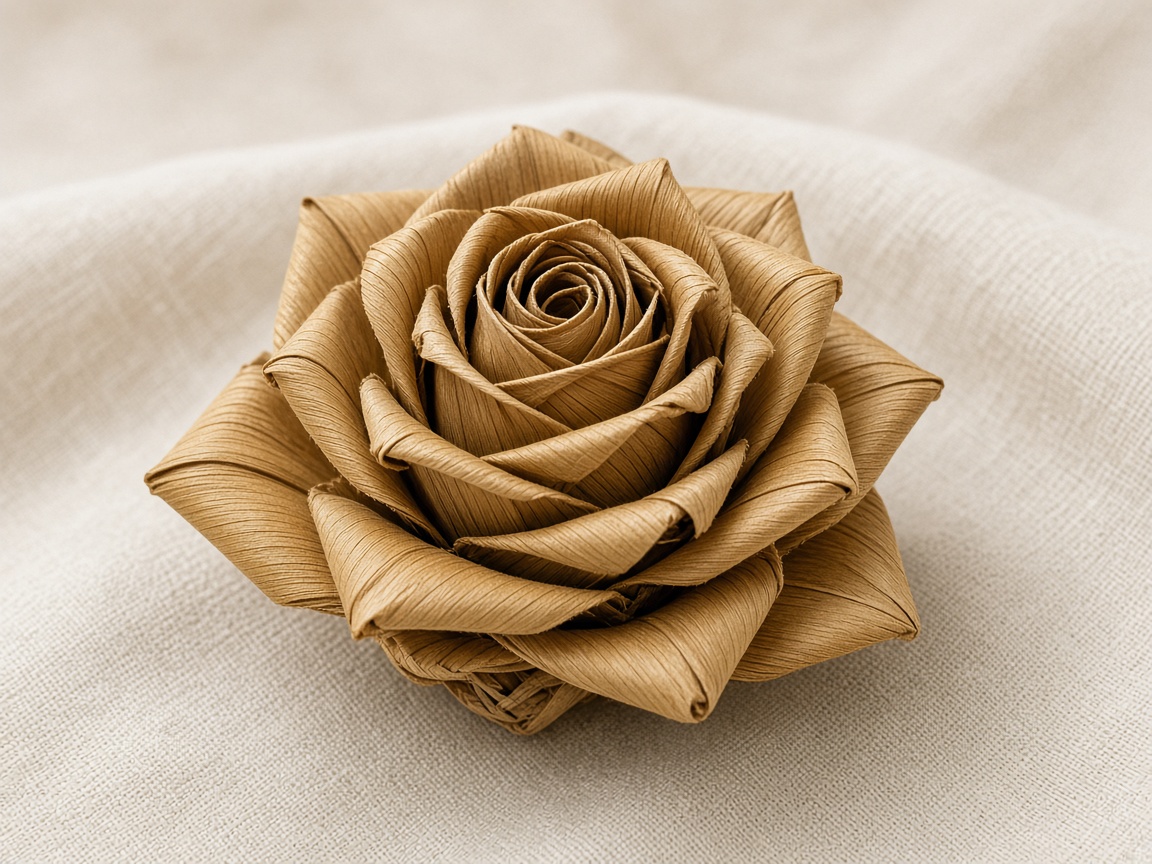
Palm leaf rose

Rose

Petals stacked from cured strips into a lasting bloom.

More Motifs
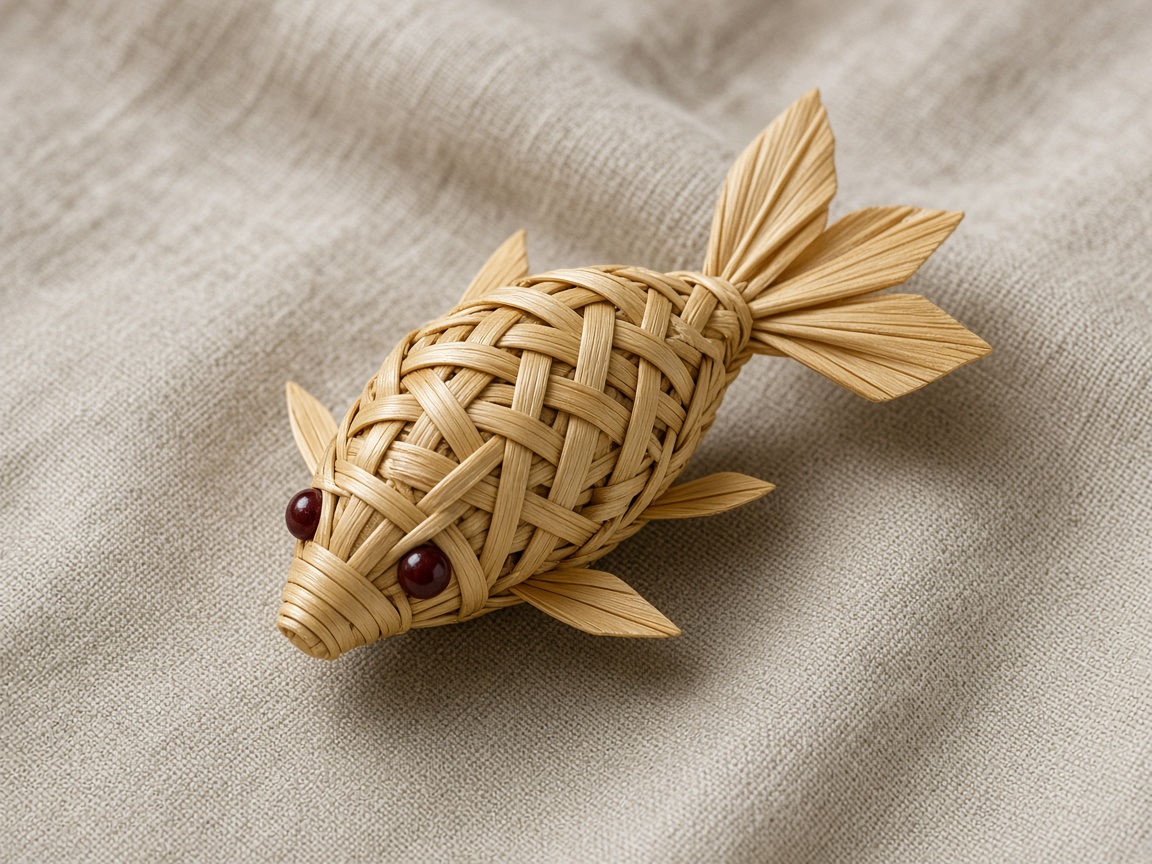
Palm leaf goldfish

Goldfish

Curved body and bean eyes — lively water-borne charm.

More Motifs
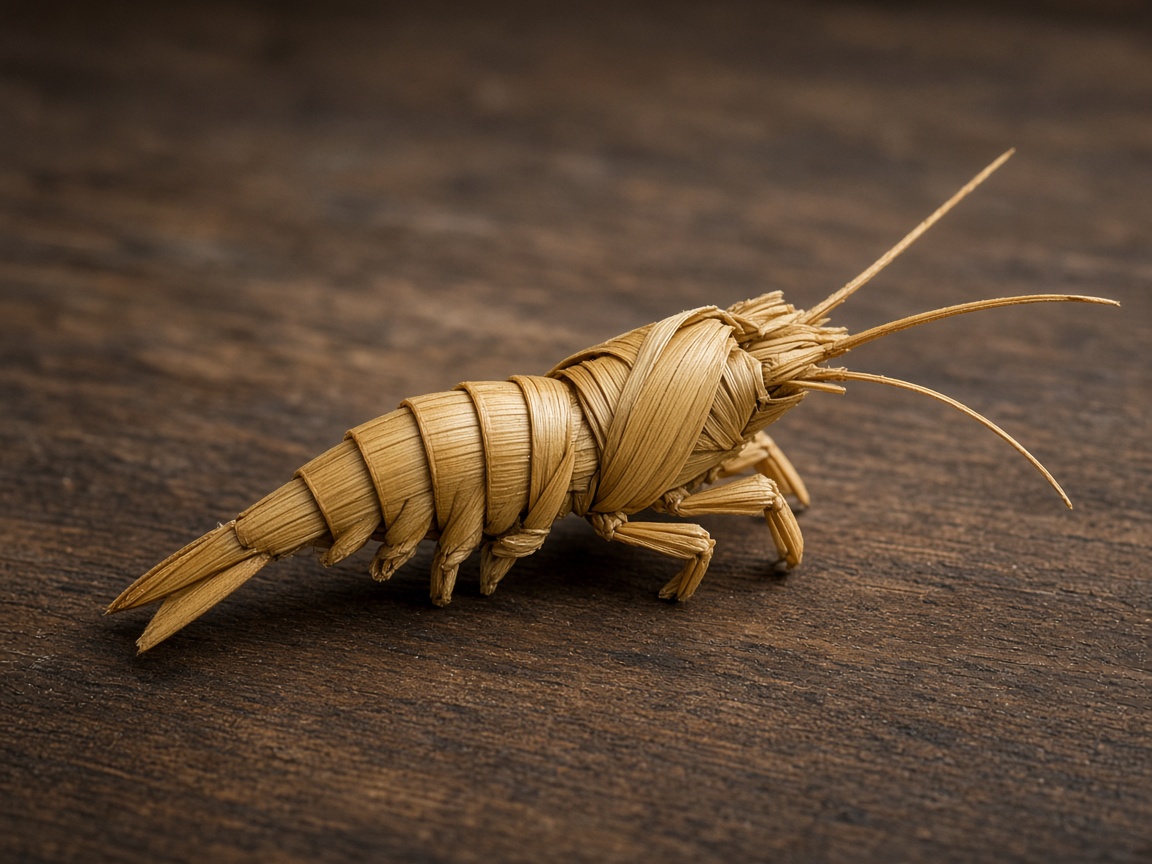
Palm leaf shrimp

Shrimp

Segmented body and fine antennae from thin palm strips.

More Motifs

Motifs

What the leaf becomes

Common subjects across Pure Leaf practice — beyond the gallery above.

Mantis Frog Phoenix Turtle Snake Centipede Chicken Zodiac animals Floral blooms

Updates

News & Stories

How the craft travels from workshop to campus and public heritage spaces.

Heritage exhibition of palm leaf weaving

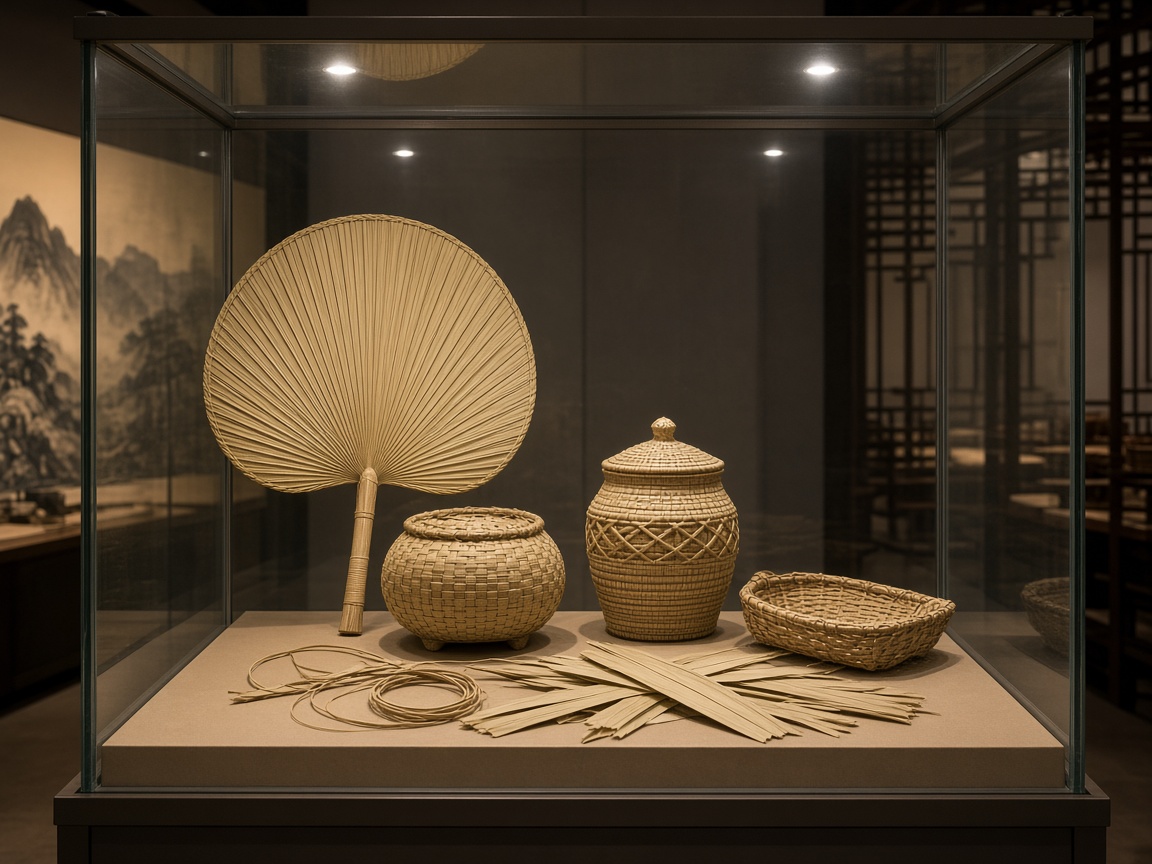
Palm leaf weaving in heritage halls

Exhibitions bring Pure Leaf works to the public, from provincial galleries to campus shows.

Read More
Cured palm leaves prepared for weaving

Why curing the leaf changed everything

From festival street toys that lasted days to collectible forms that hold shape for decades.

Read More
Harvesting palm fronds in the hills

Listed as Hunan provincial heritage

In May 2012, Changsha Palm Leaf Weaving joined the third provincial ICH catalogue.

Read More

Living Heritage

Teaching the next pair of hands

Inheritance today means workshops, college electives, and “ICH into schools” events. Makers develop brooches and small cultural products so the leaf meets daily life again — not only museum cases. The craft remains easy to start and hard to master.

Back to Top